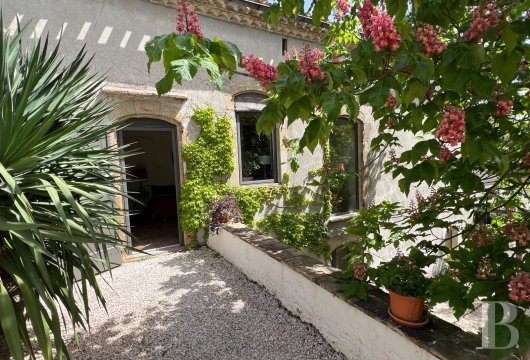
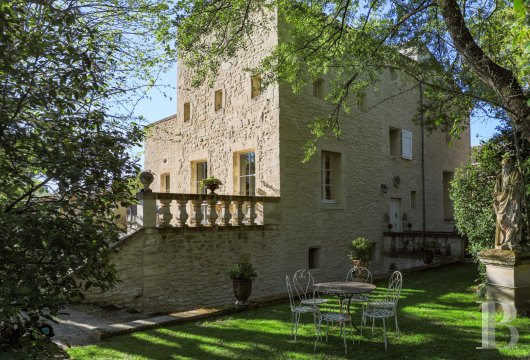
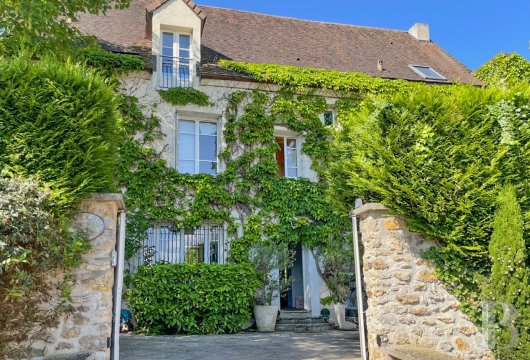
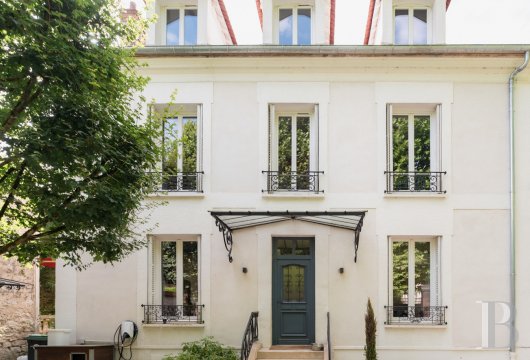
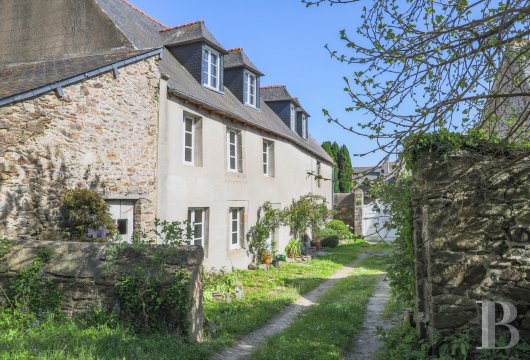
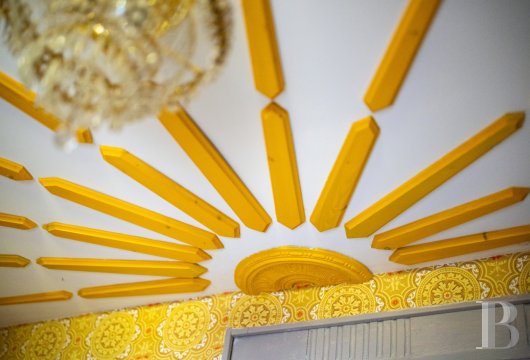
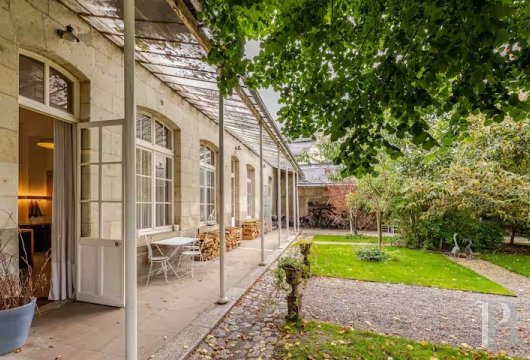
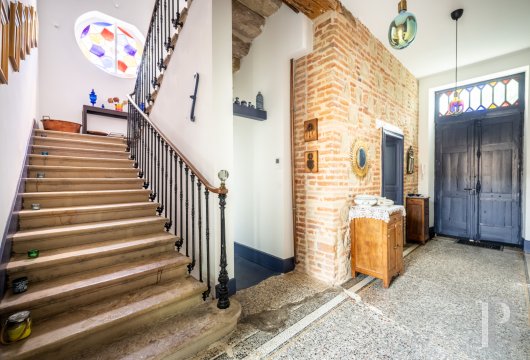
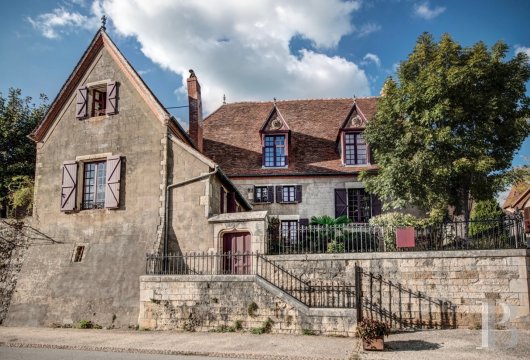
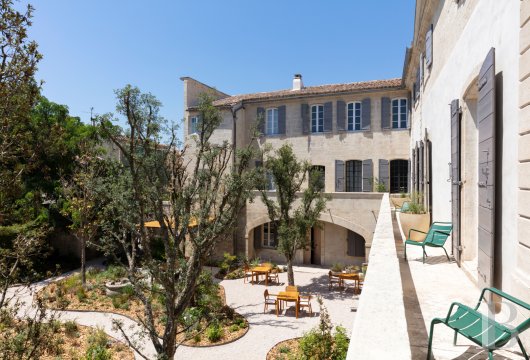
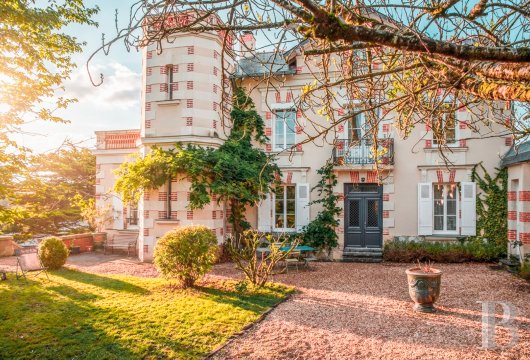
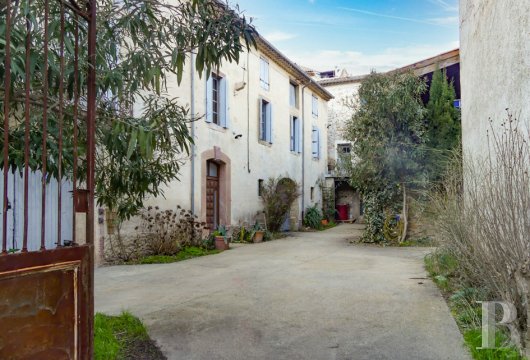
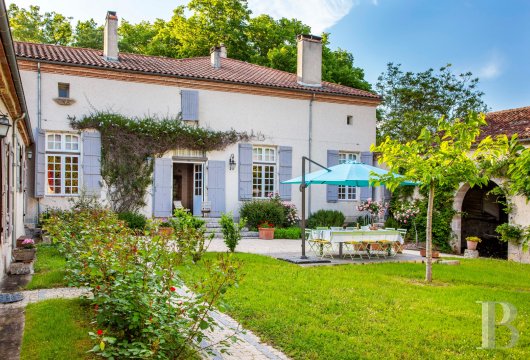
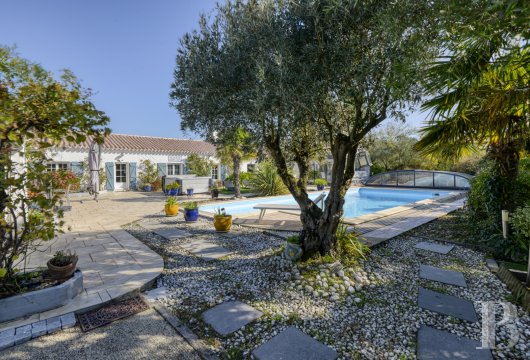
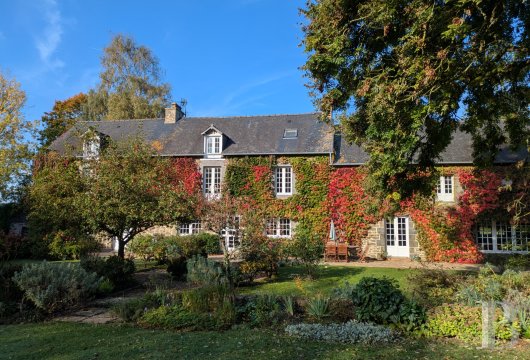
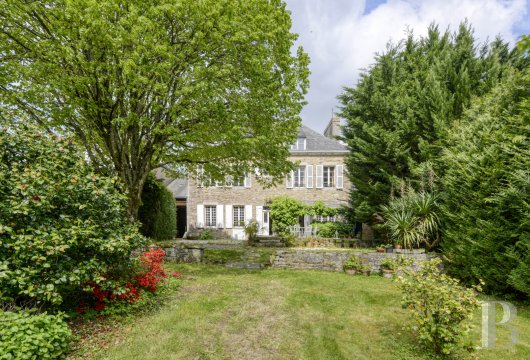
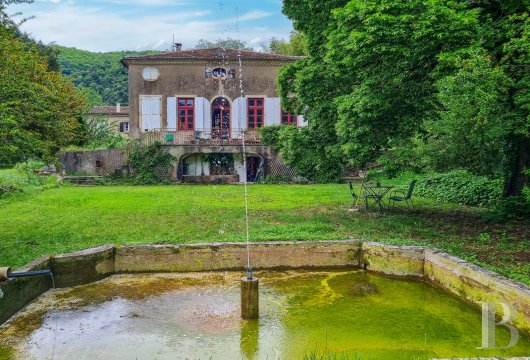
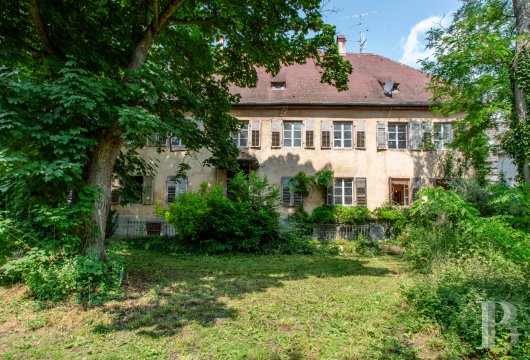
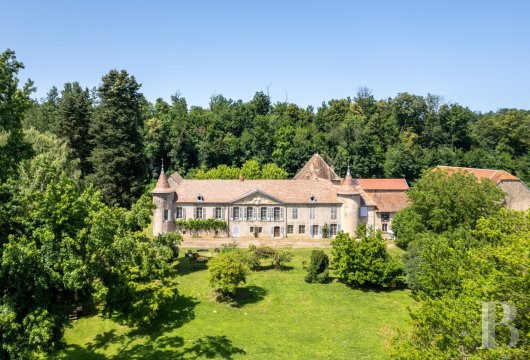
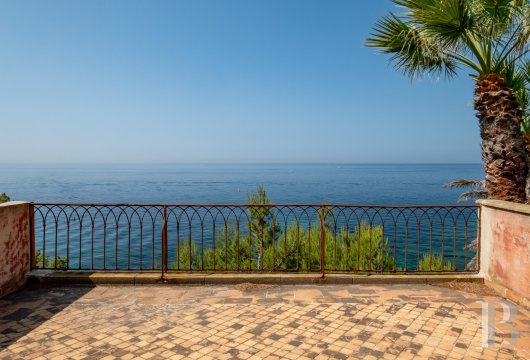
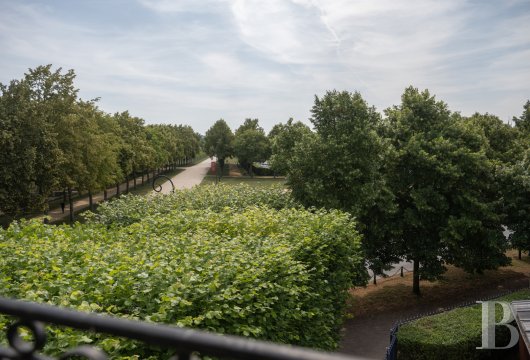
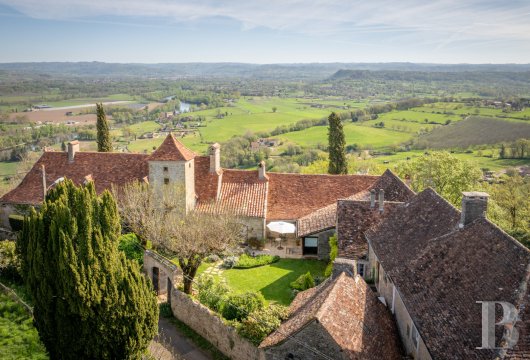
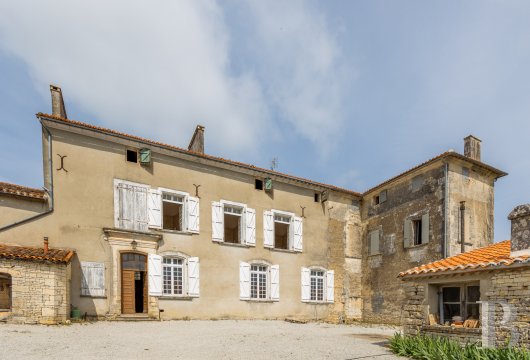
A characterful dwelling with a 700m² landscaped garden, nestled in the heart of a village in south-west France’s Aude ... ref 538001
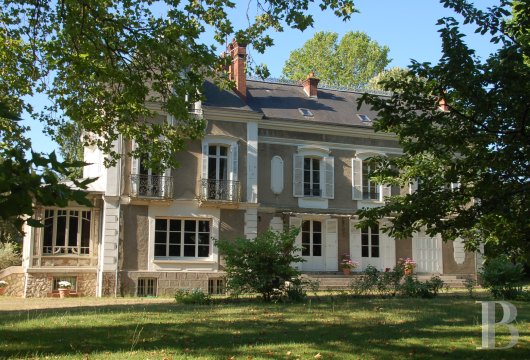
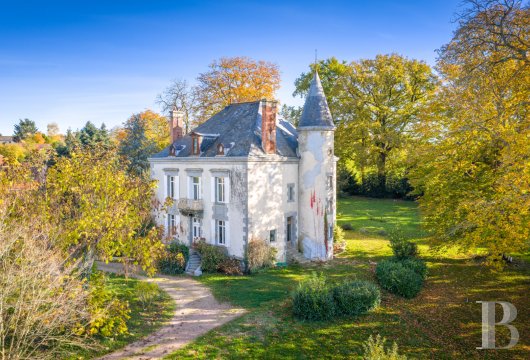
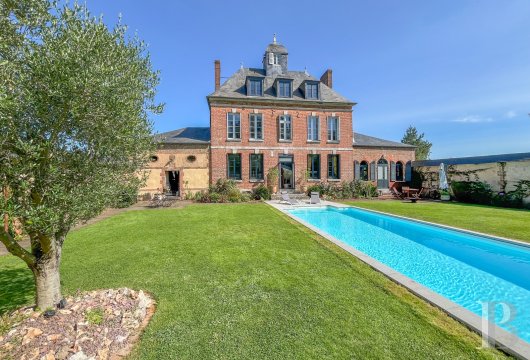
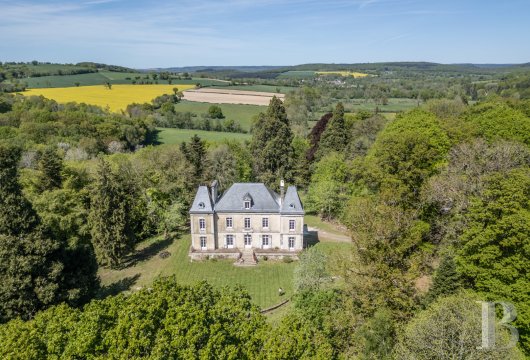
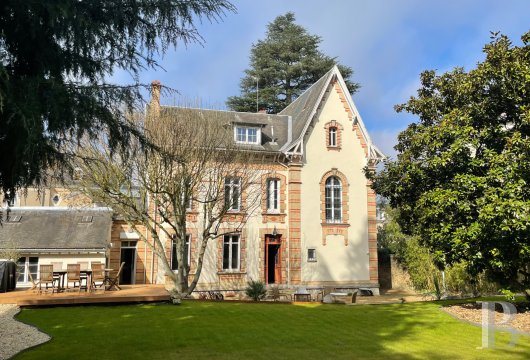
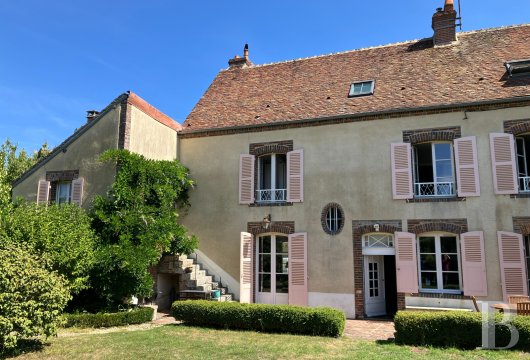
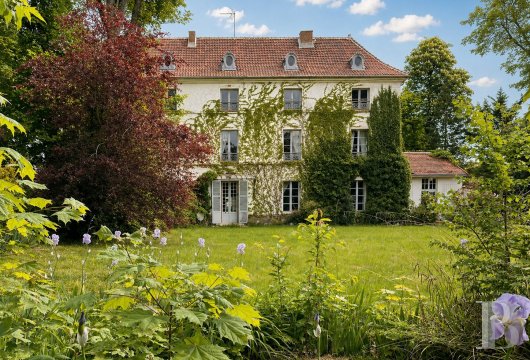
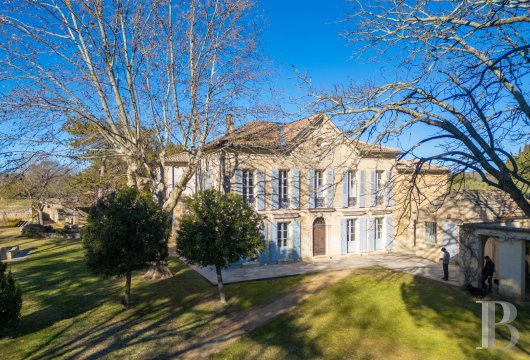
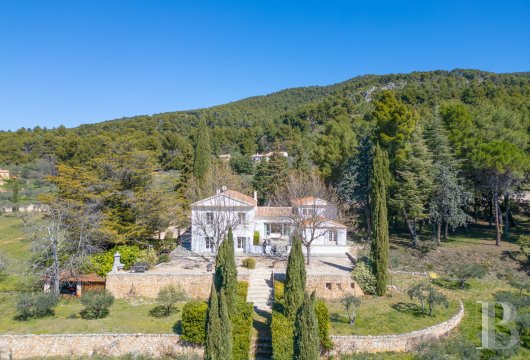
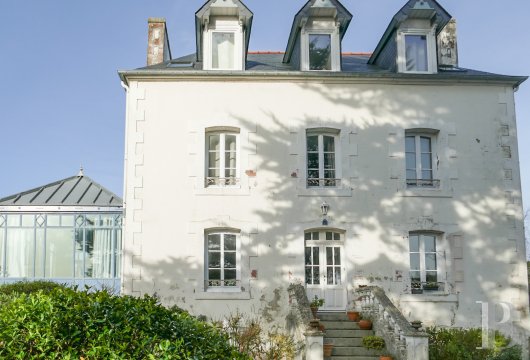
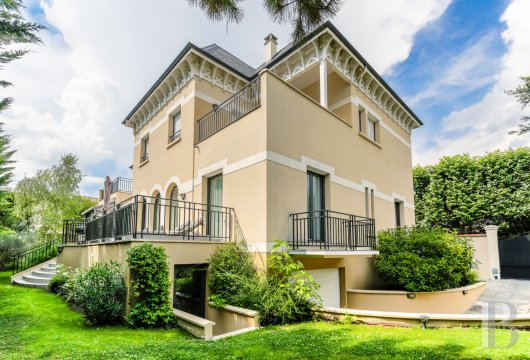
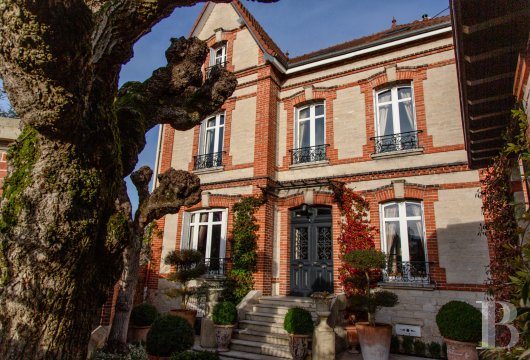
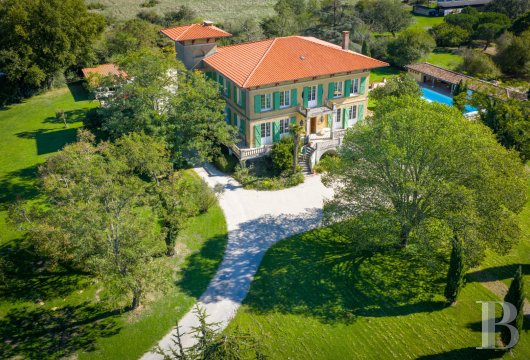
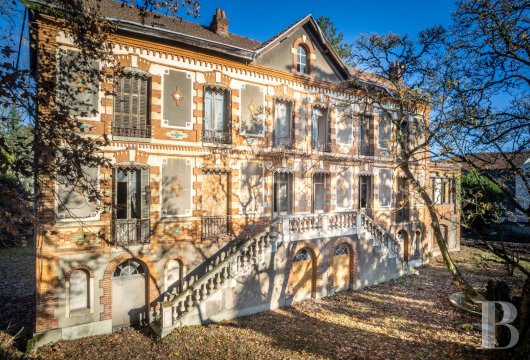
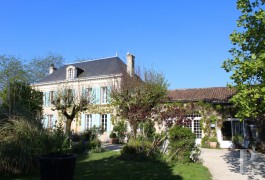
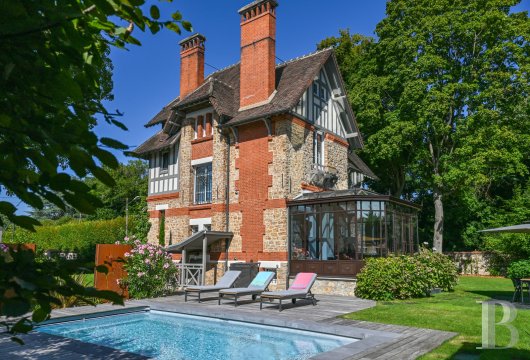
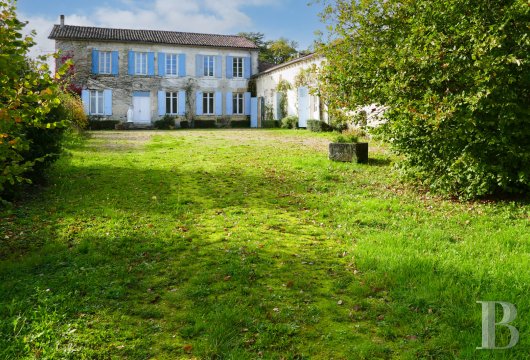
A 19th-century mansion and its vast garden, in the south of the Seine-et-Marne department ref 273260
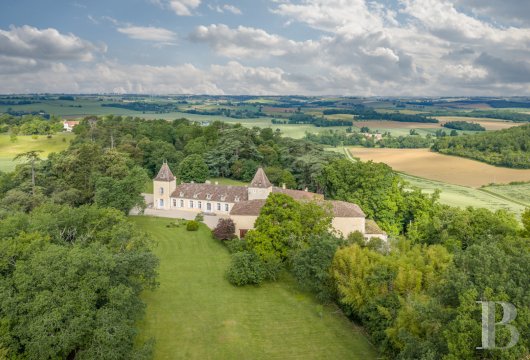
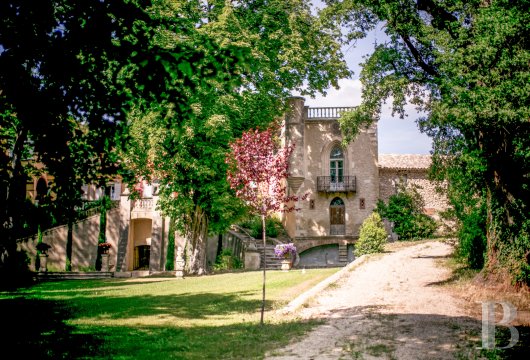
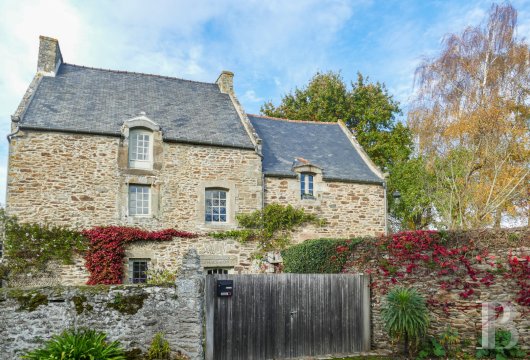
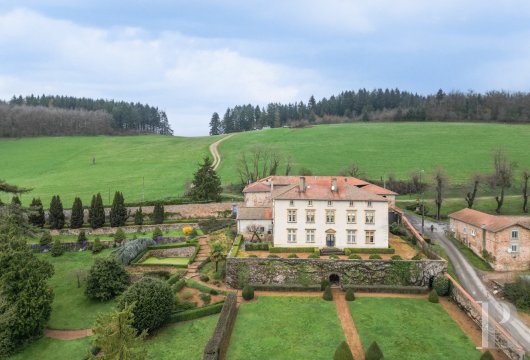
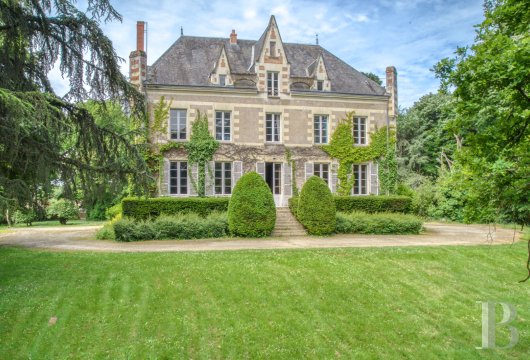
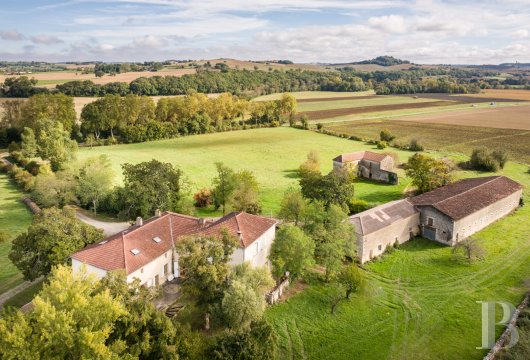
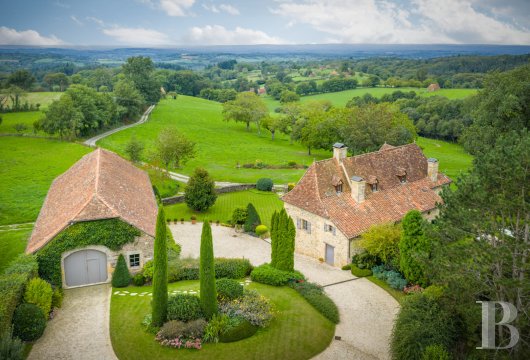
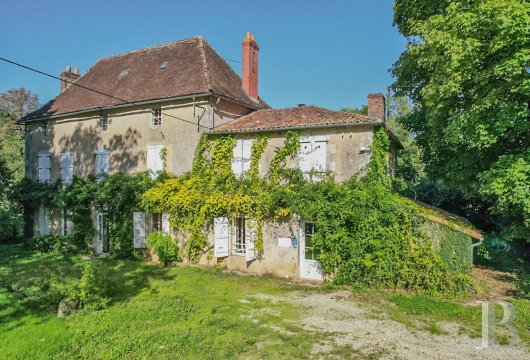
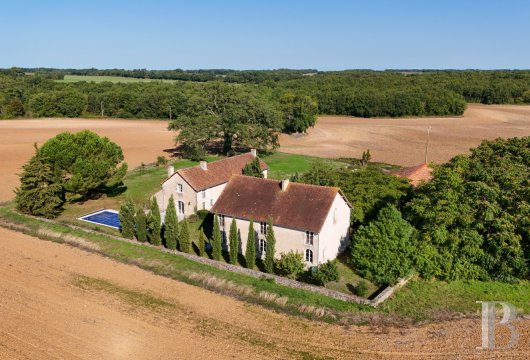
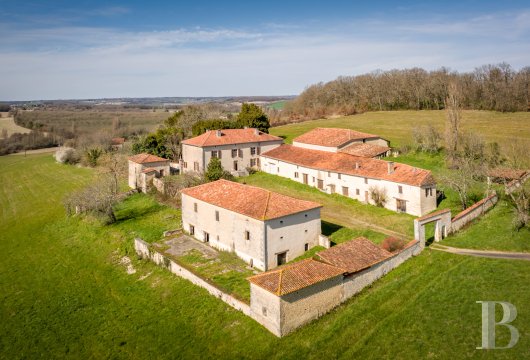
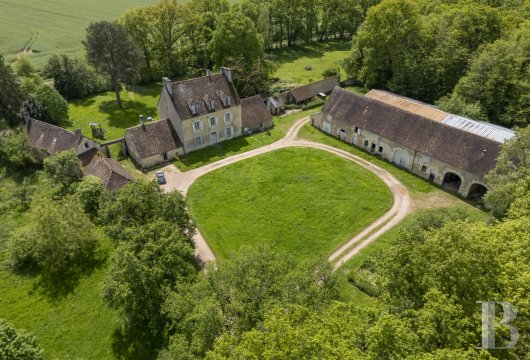
A renovated manor house and outbuildings, set in 6 hectares of parkland with a swimming pool in the South-West of France, ... ref 996782
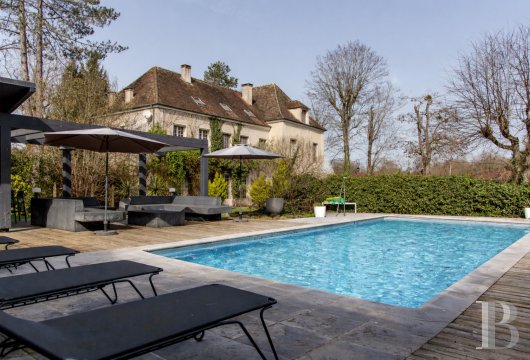
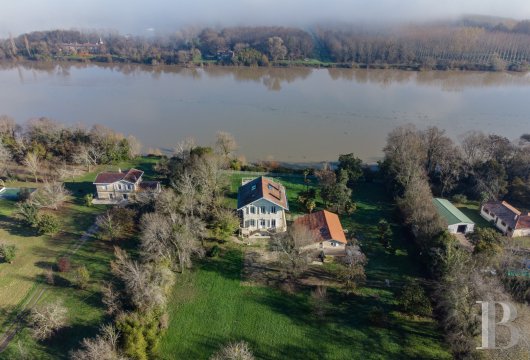
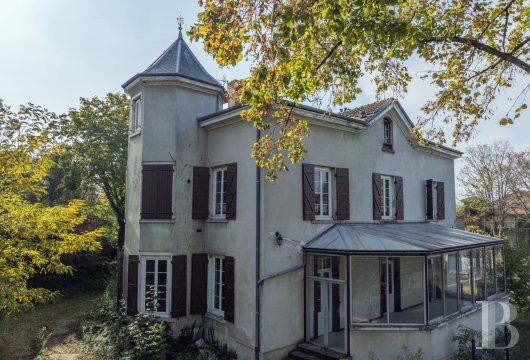
À quelque 100 km de Paris, dans une presqu'île, une vaste demeure, sa serre et son appartement indépendant ref 584528
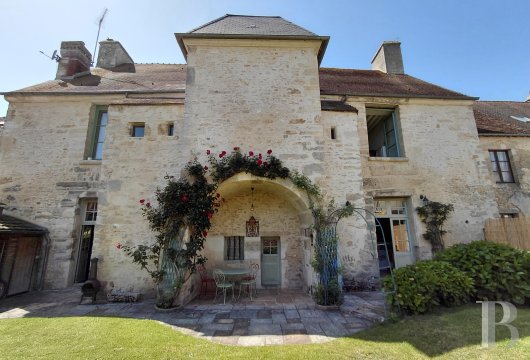
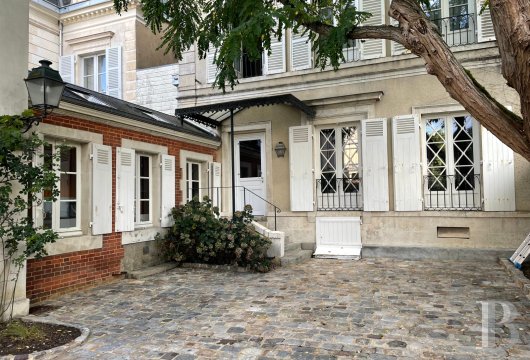
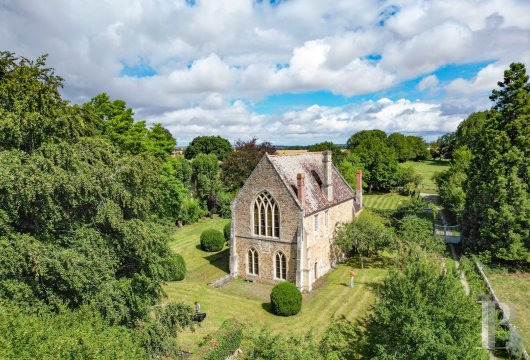
A priory residence with an urban garden, in Sées, in the former Enclos des Cordeliers convent ref 105353
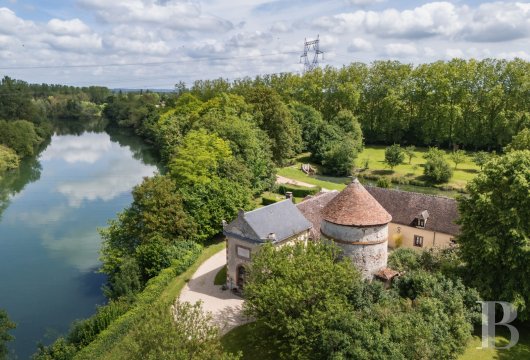
En bord de Seine, dans un parc avec pièce d'eau, les dépendances d'un château dont une chapelle et un pigeonnier ref 463749
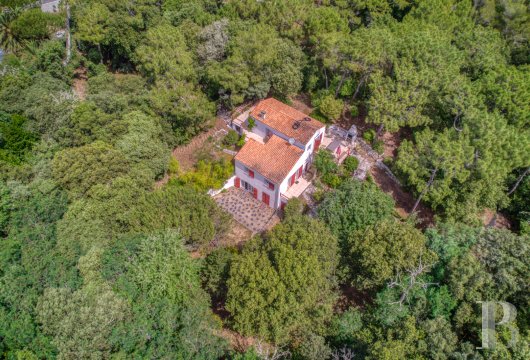
À Saint-Georges-d’Oléron, une maison de villégiature au milieu d’une pinède, à proximité de la pointe de Chaucre ref 132046
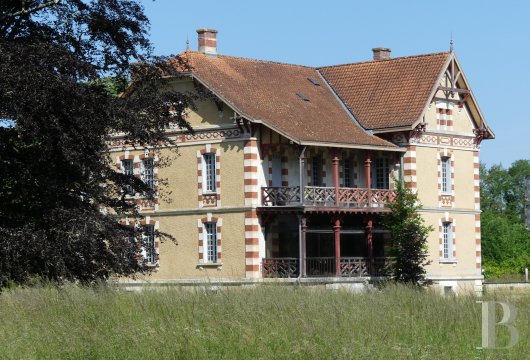
A 6-hectare, 19th-century estate with a manor house, architect-designed villa and many outbuildings in the town centre of ... ref 676981
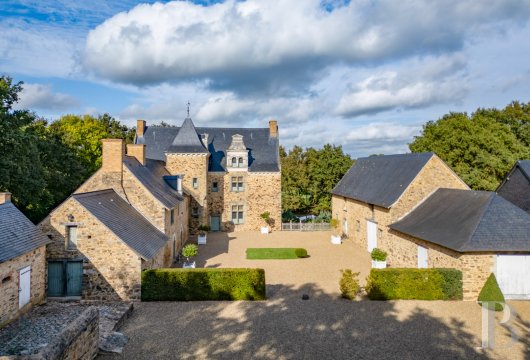
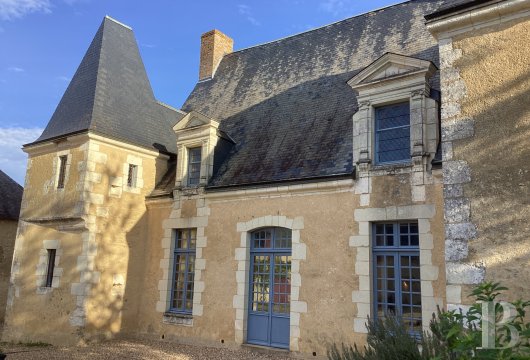
A listed Renaissance manor with a moat, outhouses and 20 hectares of grounds in France’s Haut-Anjou province, between ... ref 857303
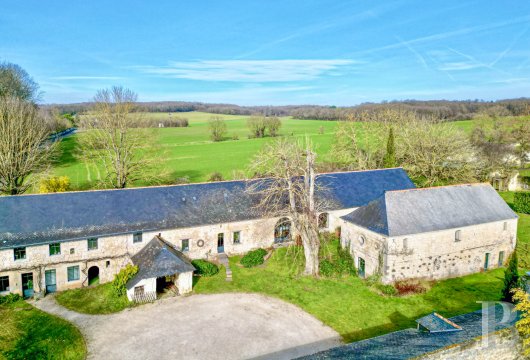
A dwelling from 1880 and its outbuilding, surrounded by 9,000-m² grounds, on the outskirts of a village, forty minutes north ... ref 716355
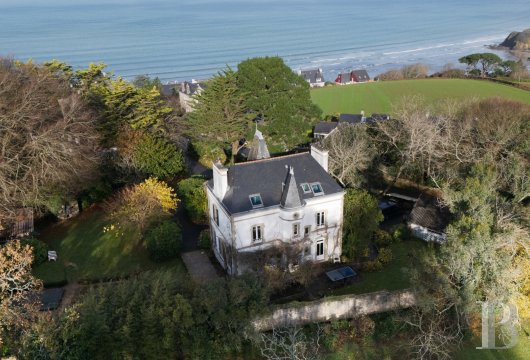
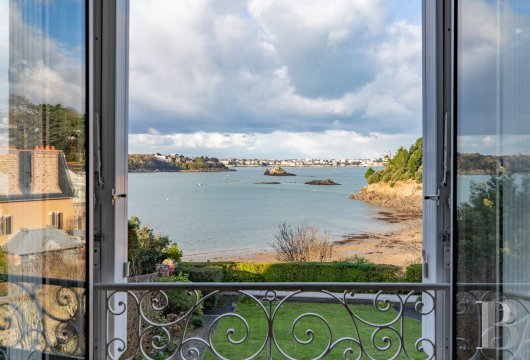
An elegant manor house with nearly 300 m² and grounds of more than 3,000 m², facing the sea, in Douarnenez ref 612362
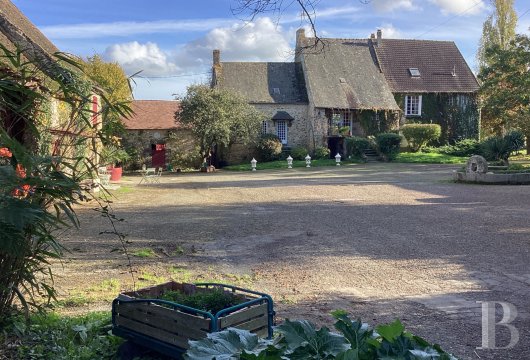
A 19th-century property including a country house, farmyard buildings and an artist’s studio in a romantic garden almost ... ref 212283
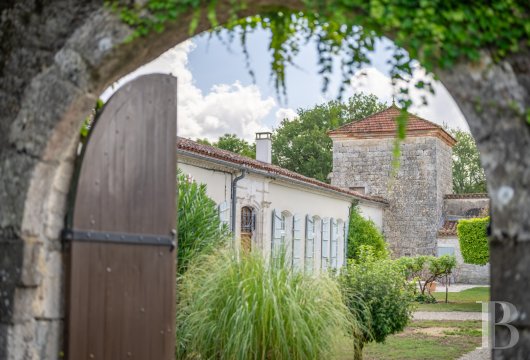
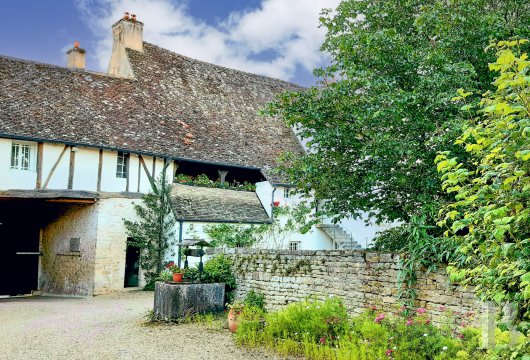
A former silkworm farm transformed into a charming dwelling, with its walled garden & view of the chateau, 200 m from the ... ref 308889
An ancient 400-m² fortified house, with a swimming pool, and 1,200-m² grounds, on a hillside in Chambourcy ref 983351
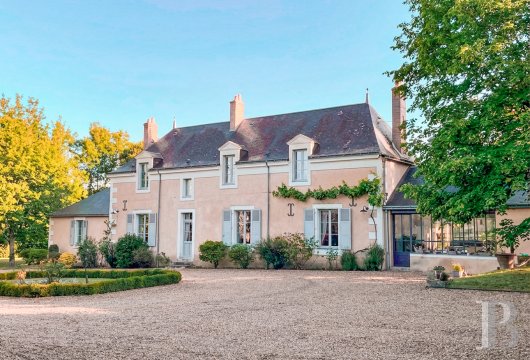
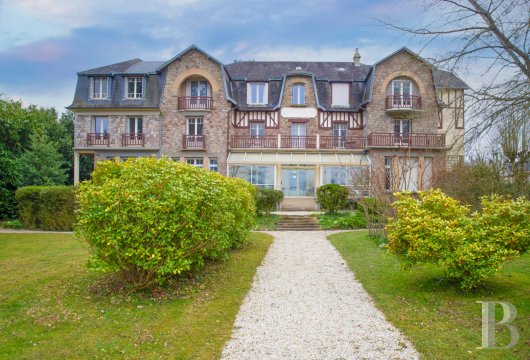
An elegant 19th-century manor and its walled garden with swimming pool, on nearly 1 ha of grounds on the edge of a forest, ... ref 194338
A restored 16th-century mansion with over seven hectares of grounds, nestled in France’s River Loir valley and listed as ... ref 760830
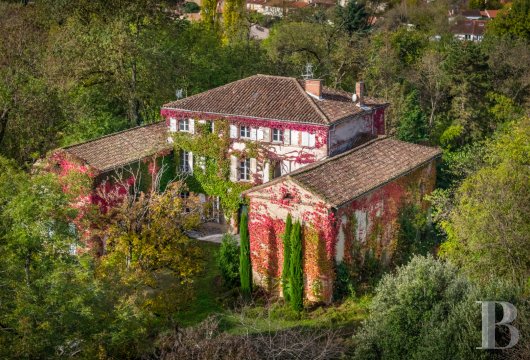
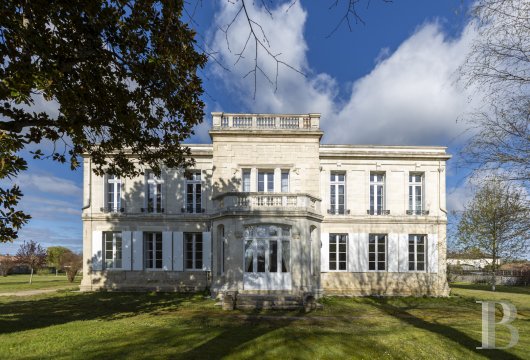
An elegant 19th-century manor house with a tree-filled garden, 5 minutes from the centre of Albi ref 532781
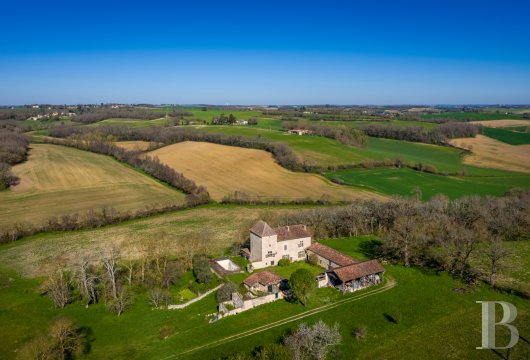
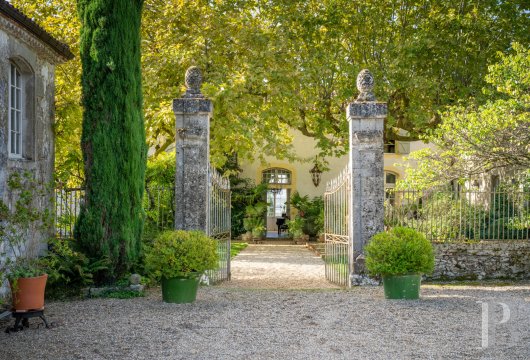
On a hilltop near Lectoure, in the Gers, An 18th-century chartreuse with service quarters and 22 ha grounds ref 259203
A fully restored 18th-century Chartreuse, surrounded by 4 hectares of woods, in the Lot-et-Garonne area, on the slopes above ... ref 312393
A 19th-century chateau to restore, in tree-filled grounds, with 11 hectares of woods, in the Écouves public forest, in the ... ref 566630
A manor house, completely renovated, with nearly 285 m², a patio and swimming pool, facing a landscaped garden, sheltered ... ref 533214
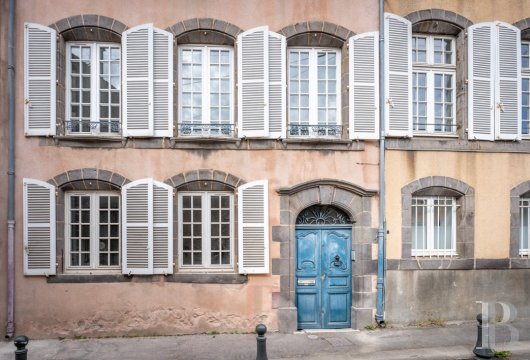
In the heart of Riom, in the Marthuret quarter, An 18th-century townhouse with a vast roof terrace ref 781573
A splendid 19th-century house with a vast walled garden dotted with trees, nestled in Le Mans near the city centre and train ... ref 245833
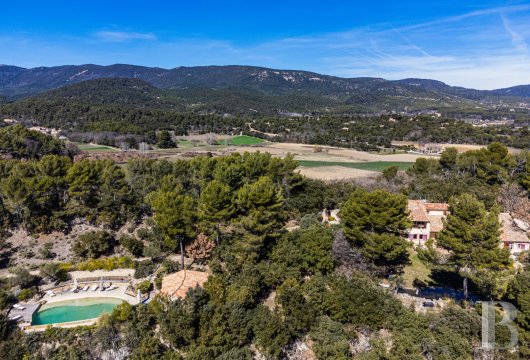
At the foot of the Luberon mountains, in 10 hectare grounds, An estate made up of an eclectic 20th-century residence and ... ref 610534
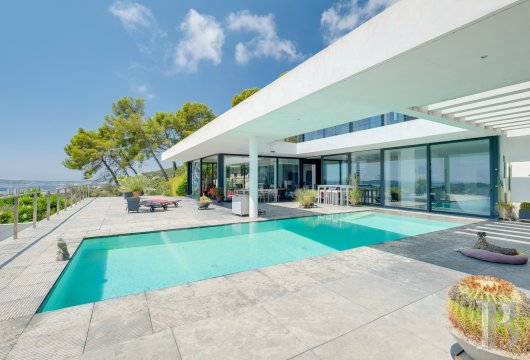
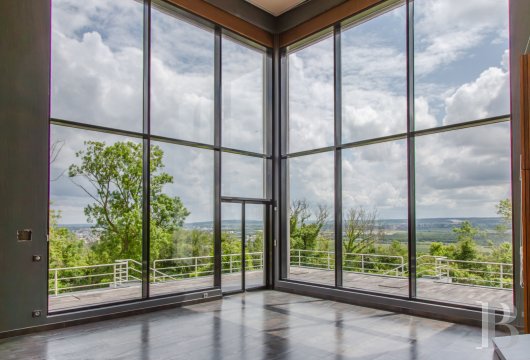
A California-style house with panoramic sea views set in 4,000 m² of grounds in the hills above Toulon ref 692601
In a village on the banks of the Rance, An authentic 16th- and 17th- century maison de maître within a walled park ref 615172
A stately dwelling and its enclosed garden in the middle of a village, recognised as a “Town of Character”, two hours ... ref 480425
An 18th-century house with outbuildings, in a walled, tree-filled and more than 2,000-m² garden, near to the banks of the ... ref 156634
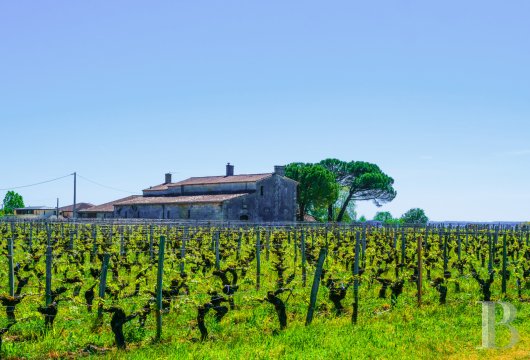
A typical Gironde-style building, to renovate, with five hectares of vineyards, in the western part of the Saint-Emilion ... ref 310015
An ancient dwelling with 650 m², a bar, theatre, cinema and garden, to be reimagined, in a medieval fortified town in the ... ref 368981
A residence with a former school and a swimming pool, in the centre of Saumur ref 977910
A grand house steeped in history, nestled in the village of Ozouer-le-Voulgis in France’s Seine-et-Marne department, just ... ref 592274
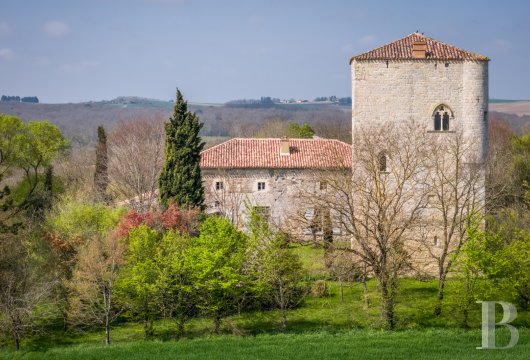
A restored medieval tower and a Historical Monument, with a dwelling, 10 min from a charming town in the Gers department, ... ref 399502
A 17th-century chateau, outbuildings and chapel, on 1.8-hectare grounds, in the Beaujolais hills ref 833847
A residence with vast reception volumes in a 10-hectare estate, in the heart of the Occitanie region, between Albi and the ... ref 779519
A large renovated house dating back to 1930 with a garden and outbuildings in the Cap Brun district of Toulon, a 10-minute ... ref 806659
A splendid eighteenth-century mansion near Nantes, nestled in a beautiful landscaped garden that covers over a hectare and ... ref 443657
A renovated house with an outbuilding and garden, nestled in a village in France’s Tarn department, overlooking the River ... ref 488809
A 13th and 17-century fortified manor house with outbuildings, on 5-ha grounds, 5 minutes from a famous spa town, in the ... ref 400714
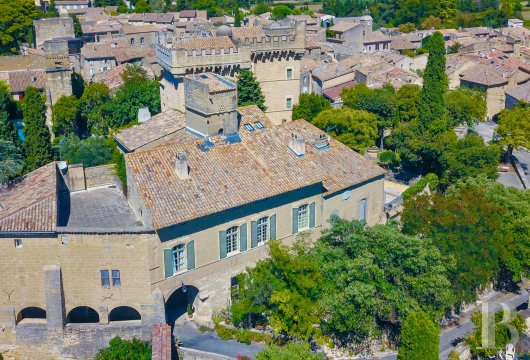
A vast, 17th century, stately residence adjoining a fuedal castle on the outskirts of Uzès ref 350900
A family dwelling/country retreat from the 13th, 17th and 19th centuries, with its hanging gardens, within a medieval city ... ref 619063
A former 19th-century food-producing estate turned into a vast family home, with enclosed, wooded grounds, truffle and olive ... ref 310342
15 minutes from Avignon, a stately home with a proud 600-year history, converted into a boutique-hotel, with a garden, swimming ... ref 738257
A small 19th-century farmhouse, now enlarged, with 1.7-ha grounds dotted with pines and olives, nestled in the Var hillsides, ... ref 963654
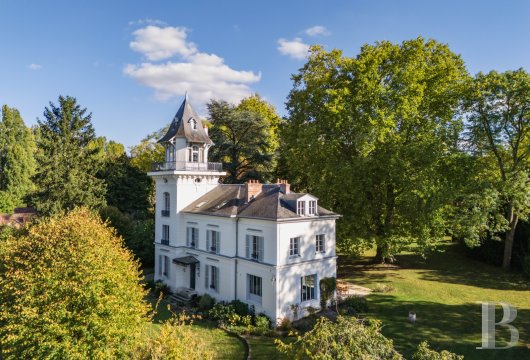
An elegant, neo-Gothic inspired residence, in 2 hectares of grounds, near to Nantes, overlooking the River Sèvre ref 152356
A 600-m² residence, in the heart of Montfort-l’Amaury, with eight bedrooms, a walled garden and a swimming pool ref 335164
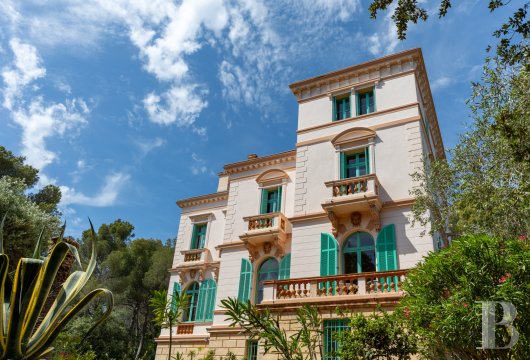
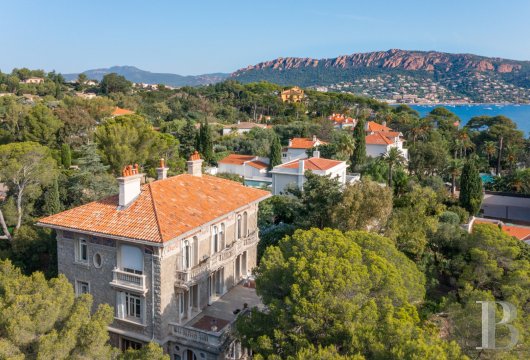
A late 19th century Belle Époque villa with sea views and 4 000 m² of grounds, 5 minutes from the centre of Saint-Raphaël ... ref 604708
A 19th-century house with a swimming pool in France’s Gironde department, just south-east of the city of Bordeaux ref 960832
A striking house, with an estate keeper’s lodge in more than 5,000 m² of grounds, less than 50 km from Paris, in a village ... ref 567158
A 19th century villa with an annex, a converted outbuilding and garden, in a cul-de-sac overlooking the parkland of Etang ... ref 386142
An early-20th-century villa facing the sea with a walled garden, nestled in a residential area of the port town of Saint-Malo ... ref 279193
A listed Moorish Revival villa opposite Ile de la Comtesse on the Goëlo coast in Brittany, with panoramic sea views ref 123706
A vast 19th-century family residence with a walled garden, in a popular seaside resort on the Côte d’Émeraude coast ref 344972
A late-19th-century house with a garden and outbuildings in a village among vineyards and scrubland, 30 minutes north of ... ref 458225
25 minutes from Aix-en-Provence, a fully enclosed 3-hectare estate, with outbuildings and wellness areas ref 292204
A villa, with a Hollywood Regency air, and an Anglo-Norman house near to the banks of the river Marne in La-Varenne-Saint-Hilaire ref 654654
A late 19th-century villa in an almost 2,000-m² garden, in the upper part of a seaside resort on the coast of the Penthièvre ... ref 348414
A 17th-century estate, combining heritage and modernity, with stables, a guest cottage and other outbuildings, near Agen ref 177243
A large architect-designed villa in a site overlooking La Seyne-sur-Mer, with a roof terrace and swimming pool, in 2,400 ... ref 272570
South of the Normandy-Maine Regional Park, a 15th century feudal manor house, its outbuildings and its pond ref 406623
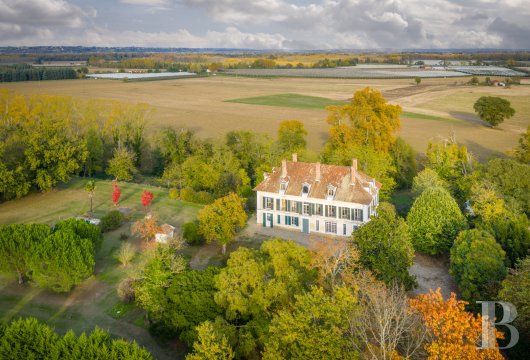
A stately 18th-century property, typical of the Loire Valley and fully restored, with more than 6 hectares of woods and pastures, ... ref 215359
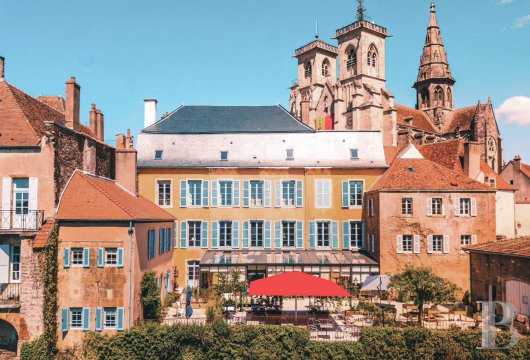
An authentic 18th-century townhouse converted into a B&B and restaurant in the heart of the historic district of Semur-en-Auxois ... ref 660143
55 minutes from Toulouse, a Basque inspired 19th-century manor house, with ornamental grounds, outbuildings and 15 hectares ... ref 325169
An Art Deco former hotel and its tree-filled garden of 4,500 m² along the edge of the spa town of Bagnoles-de-l’Orne ref 590108
A recently renovated country house with large outbuildings and 7.5 hectares of grounds with a river, nestled near a picturesque ... ref 791006
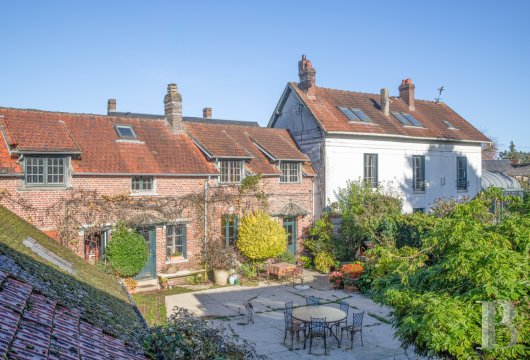
A stately 19th-century manor house and its courtyard-garden, 1.5 hours from Paris, in the middle of the Aube department ref 267501
A belle époque villa with a garden and an unrivalled sea view on the Mediterranean coast between Saint-Raphaël and Cannes ref 875816
A 17th-century manor house with a panoramic view, outbuildings, a swimming pool and helipad, in a 13-hectare estate, in the ... ref 410070
An 18th-century residence, with 16th-century outbuildings and a formal garden, in the Loire Valley, near Chinon ref 748486
A stately dwelling, with its living areas, grounds and patios, ten minutes from the Bouconne Forest and twenty minutes from ... ref 849260
A complex of edifices from the 17th, 18th and 20th centuries with courts, gardens and investment buildings, nestled near ... ref 990182
An immense farmhouse, its guesthouse and swimming pool, on grounds of 4,400 m², only a few kilometres from the ocean, in ... ref 134463
A striking bourgeois residence and its park waiting to be brought back to life in the town of the Duke of Decazes ref 283631
A manor house to be restored, in a 1,047-m² fenced garden, in close proximity to Lyon ref 982479
An 18th-century noble house to be restored, with outbuildings and 2 hectares of tree filled grounds, between Poitiers and ... ref 451040
A 19th-century family residence, with an annex and outbuildings in more than 2 hectares of grounds, 20 minutes from the Côte ... ref 999888
A 19th-century family dwelling, its immense terraced garden and wooded area on 1.5 hectares in the middle of a town within ... ref 161798
A 270-m² townhouse with a patio and shaded garden in the centre of Le Mans, 10 minutes from the TGV station and 54 minutes ... ref 380592
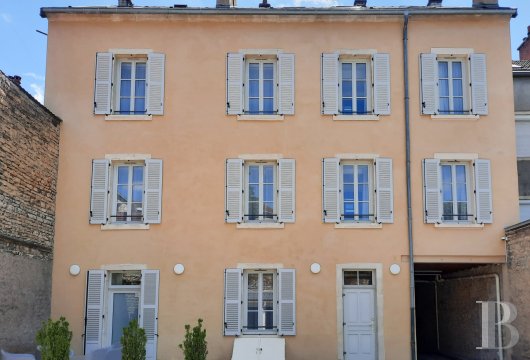
A 4-storey building, recently reorganised into 11 flats that range from 18 to 43 m², for a total floor area of 360 m², ... ref 665289
A delightful property with 9,300m² of grounds, a 440m² family dwelling with an indoor pool and a guesthouse, nestled next ... ref 163473
A restored farmhouse with an outbuilding, a swimming pool and over 6,000m² of grounds, nestled in France’s beautiful Vienne ... ref 777144
An 1860 house, outbuildings and three independent dwellings in a 5 500 m² green setting between Bordeaux and La Rochelle. ... ref 966976
A 19th-century villa with 5,700m² of grounds and a former stable, nestled in a calm village near the town of Langon in France's ... ref 639851
A 195 m² flat with its original decor and garden, in an 18th century chateau, 30 minutes south of Paris ref 403207
An 18th-century house with 41 hectares of grounds, nestled in France’s Charente department, between the cities of Bordeaux, ... ref 351868
A former silk spinning mill with its manor house and 31-hectare grounds, in the south of the Cévennes National Park, within ... ref 297806
A restored 18th-century residence with outbuildings, on 11 hectares of land, like a Provence fortified village, near Agen ref 483180
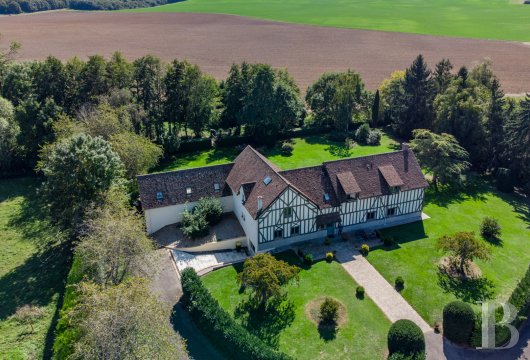
An elegant, fully renovated Anglo-Norman residence from 1900, with a swimming pool and garden, 30 minutes from Paris ref 288206
A dwelling from the late 18th century, in need of a renovation, and its tree-filled garden, along the ramparts of a charming ... ref 419523
A chateau from the 16th and 18th centuries, with its outbuildings, surrounded by 20 hectares of pastures and a pond, in ... ref 771486
A 20th-century villa with outbuildings, a garden, swimming pool and panoramic views of the Mediterranean Sea, to the west ... ref 459707
An immense, 19th-century family dwelling with a small garden, facing the Chateau of Compiègne ref 613787
A medieval manor, redesigned in the 18th century, perched upon a plateau in France’s Quercy province with a sweeping view ... ref 119594
A listed 14th-century monastic guesthouse, with almost 2 hectares of grounds in the Falaise region, on the borders of Normandy ... ref 747099
A renovated farmhouse from the 16th century with a swimming pool, an orchard and outbuildings, not far from the city of Angers, ... ref 989597
The emblematic villa Poiret of the architect Robert Mallet-Stevens, its caretaker's cottage and grounds of more than 5 hectares, ... ref 788073
In a hamlet 15 minutes from Angoulême, a vast 18th century residence to be restored, and its garden of almost 4000 m2 ref 245729
A house dating back to the 19th and 20th centuries with outbuildings and a 5,500m² garden, five minutes from the city of ... ref 562743
A beautiful manor house surrounded by over 6 hectares of woodland and unique tree houses in a natural region of Nivernais ... ref 853027
A belle époque villa with nine hectares of grounds, a 13th-century chapel and many outhouses in south-west France, 20 minutes ... ref 327328
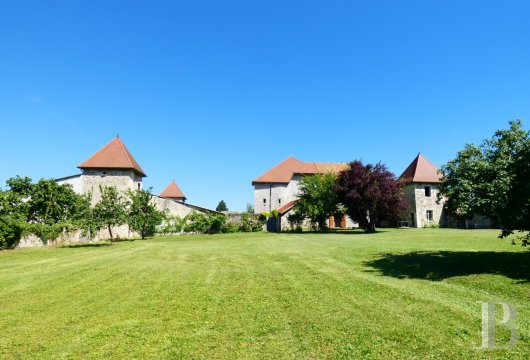
At the gates of the Savoy region, a 16th century stronghold house and its 13-hectare estate ref 114688
I accept the general terms and conditions of use Learn more

 Refine your search